En
En Fr
Fr Es
Es Prt
Prt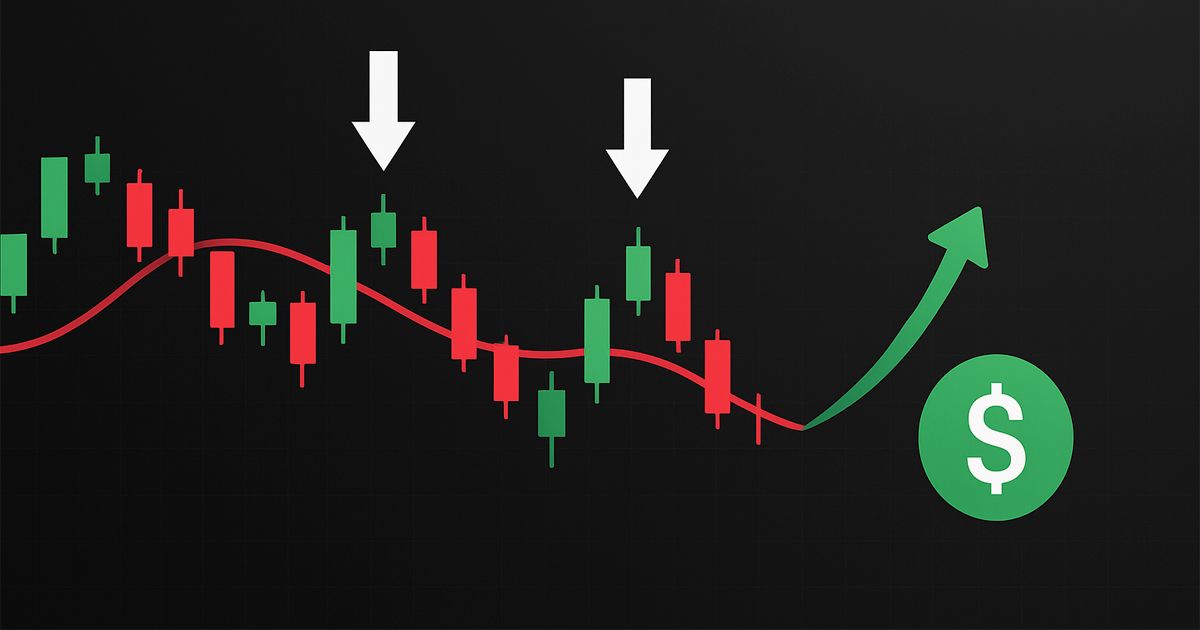
Scalping is one of the fastest trading methods, and this is why the scalping strategy is designed to capture very small price movements, often within seconds or minutes. Unlike swing or position trading, scalping focuses on frequent, quick trades. Traders do not hold positions for a long time. Many traders are attracted to a scalping trading strategy because it can generate multiple profit opportunities within a single, and sometimes, short trading session.
The main idea is simple: enter a trade, capture a few pips or ticks of profit, and exit quickly before the market changes direction. A scalper has to be precise, choose the perfect timing, and have strict risk control if he wants to succeed. The market can move unexpectedly; this is why scalping requires intense focus and discipline.
A scalping trading strategy is usually based on tight spreads, low transaction costs, and fast execution speeds. This is why traders often rely on brokers and platforms that can handle this style. Even a slight delay in order execution can turn a potentially profitable trade into a loss. This is why the choice of broker and technology is very important.
Scalpers also need a clear plan. They often trade during the most active hours of the market to ensure liquidity. They use such indicators as moving averages, support and resistance, and volume tools. Still, many traders also pay attention to raw price action that helps them to make quick decisions.
A scalping strategy is not for everyone. It requires speed, discipline, and focus. But for those who enjoy high activity and the challenges, it can be a very profitable way to trade.
Find Liquid Markets
One of the most important rules in scalping is to trade in markets with enough liquidity. Liquidity ensures that buy and sell orders can be executed quickly without much slippage. A liquid market allows a scalper to open and close positions rapidly and easily. Without liquidity, the scalping stop loss may not be executed properly, and this leaves a trader exposed to greater risk.
Forex pairs such as EUR/USD or USD/JPY are the most popular among scalpers because they are highly liquid. Similarly, in stocks, large-cap companies with high trading volumes are more popular because they provide better opportunities. Cryptocurrencies like Bitcoin and Ethereum can also be suitable during times of high activity, but they are very volatile, and this carries more risks.
Traders shall not forget about stop losses in scalping. Scalping involves small profits per trade; this is why losses shall be controlled tightly. A stop loss does not let one bad trade wipe out all the earnings from many good trades. So, if you want to become a successful scalper, keep your losses close and exit if you see that the market turns against you.
Liquid markets also help reduce spreads, which is very important for scalpers who may execute dozens or even hundreds of trades per day. A wide spread can wipe out profits and make the strategy less effective. That is why traders often choose trading sessions with the highest activity, such as the overlap between the London and New York forex sessions.
Scalping is very profitable in active markets with high volume and low spreads. If you know how to manage risks, place stop loss orders, and handle your emotions, you can protect yourself and benefit from the fast price moves in liquid assets.
Use a Reliable Platform
Execution speed is very important for you if you are a scalper. A trader who wants to trade scalping effectively must use a reliable trading platform that offers stability, processes orders very fast, and has low latency. Delays of even a second can make the difference between profit and loss when you work with such small margins.