
 En
En Es
EsBIS: Stablecoins fuel digital dollarization despite controls

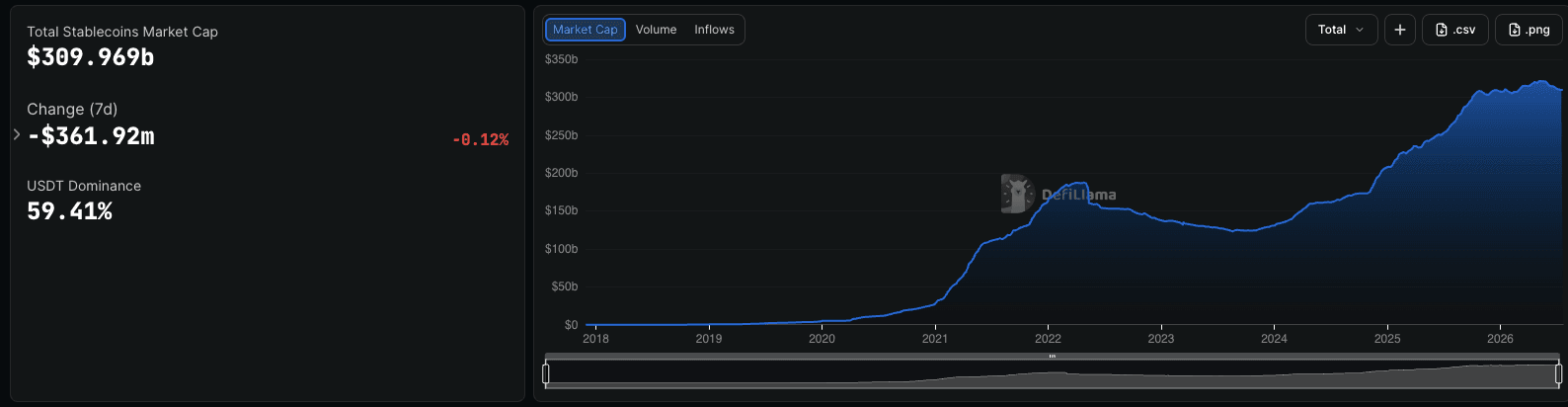
BIS study finds dollar-pegged stablecoins enable digital dollarization despite capital controls; usage is rising in emerging markets as market cap nears $309.7 billion.

Researchers at the Bank for International Settlements report that dollar-pegged stablecoins are driving digital dollarization that largely evades capital controls. In a study covering more than 130 economies, the team compared foreign-currency bank deposits with inflows into dollar-backed tokens and found both rise during periods of macroeconomic stress. Stablecoin market value stands near $309.7 billion.
Unlike deposits at banks, stablecoin activity showed little reaction to capital controls or other foreign-exchange restrictions. The authors attribute this to how the tokens circulate, writing that stablecoins are 'partly circulating outside the regulatory perimeter,' which lets users move value outside conventional banking channels.
The study finds limited evidence that deposit dollarization alone weakens monetary-policy transmission. Economies with higher foreign-currency deposits, however, faced a somewhat greater risk of elevated inflation in the data. The analysis notes that supervisory tools built for banks may be less effective for tokenized flows, and that new approaches may be required to manage financial stability as stablecoin use expands.
An International Monetary Fund assessment of Nigeria notes that households and small firms use U.S. dollar-pegged stablecoins for cross-border payments, remittances and access to dollar-denominated assets as inflation, currency depreciation and restricted access to foreign exchange lift demand. The IMF reports that stablecoins have 'reduced the cost and time required to move money across borders' while cautioning that broad usage could reduce demand for local currencies.
In Latin America, enterprise payment volumes are growing. Bitso Business, the payments arm of crypto exchange Bitso, reported an 81% year-over-year increase in stablecoin payment volume in the first half of 2026. The firm indicated that USDC and USDt accounted for 40% of all crypto purchases in the region in 2025, surpassing Bitcoin’s share in that period. Overall stablecoin capitalization has risen from roughly $260 billion a year earlier to about $309.7 billion. The growing use of dollar-backed tokens for payments and transfers is also changing how participants approach cryptocurrency trading and assess demand across the digital-asset market.
The BIS describes the trend as digital dollarization, a shift into dollar-linked digital tokens rather than foreign-currency deposits at banks. The study finds measures that historically slowed deposit dollarization were far less effective at curbing stablecoin flows, linking this to on-chain transactions and offshore issuance that limit the impact of domestic rules.
For regulators, the findings raise monitoring questions as cross-border transfers can move through public blockchains and third-party platforms rather than banks. The BIS points to the need for tools addressing stablecoin issuance, reserve quality, and on- and off-ramps alongside traditional prudential oversight.


