En
En Es
Es

Trading Books at a Glance: Key Facts
| Question | Answer |
|---|---|
| What is the best trading book for beginners? | Trading in the Zone by Mark Douglas is the most consistently recommended starting point |
| How many trading books should a beginner read? | Three to five focused books cover psychology, technical analysis, and risk management before trading live |
| Are trading books still relevant in 2026? | Yes. Books provide structured frameworks that online content cannot replicate |
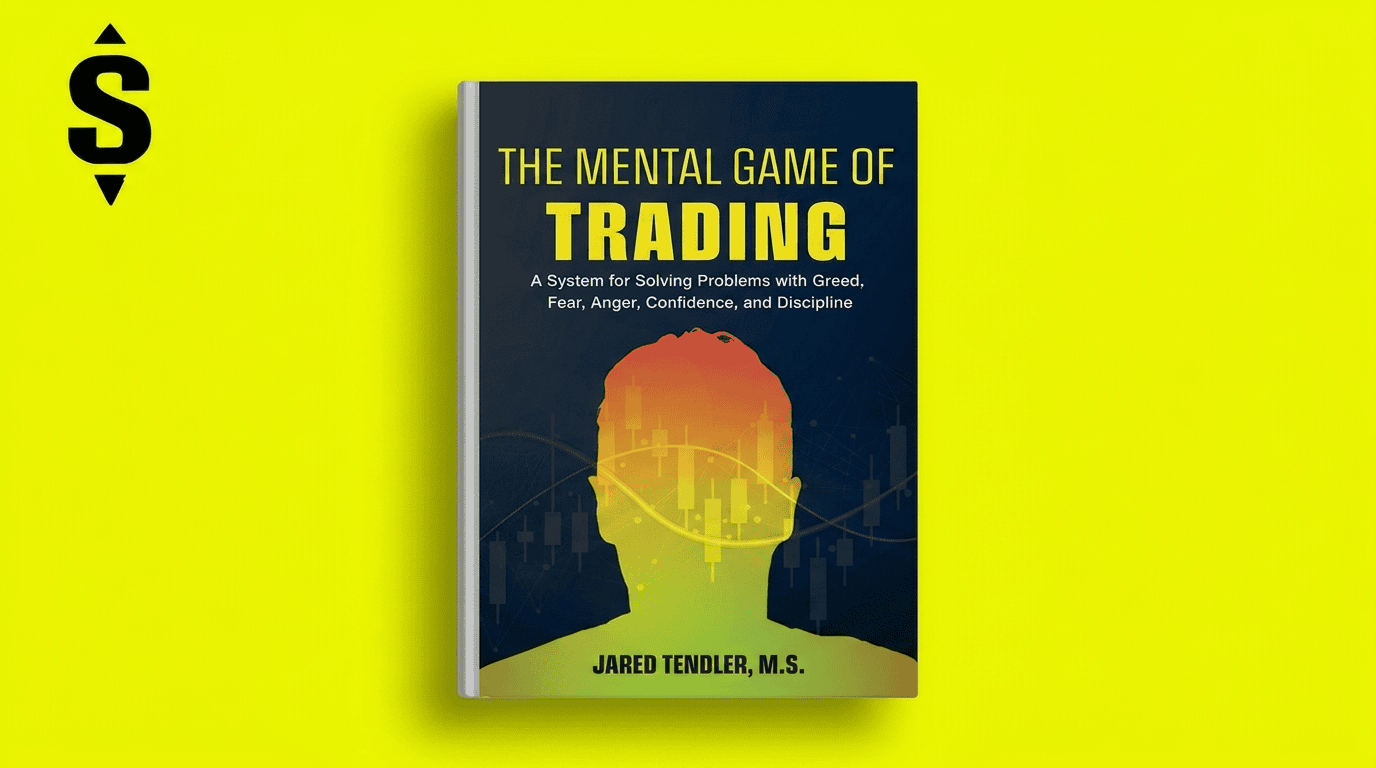
| What is the best book for trading psychology? | Trading in the Zone by Mark Douglas and The Mental Game of Trading by Jared Tendler are the top two |
| Which book teaches technical analysis best? | Technical Analysis of the Financial Markets by John J. Murphy is the standard reference |
Why Books Still Beat Online Content for Learning to Trade
Online tutorials and short videos are everywhere in 2026. They are free, fast, and easy to consume. But the traders who build real skills consistently point to books as the foundation. A well-written trading book gives you something a 10-minute video cannot: a complete framework, tested over time, from someone who traded real money.
What a Good Trading Book Gives You That Videos Cannot
Depth is the main difference. A book forces an author to defend every argument across hundreds of pages. That process filters out ideas that do not hold up. Video content is rarely subject to that discipline.
The best books on trading share three things:
- A structured learning path from concept to application
- Real examples with context, not just highlighted charts
- Frameworks you can return to as your experience grows
Books also hold you accountable in a way that passive video watching does not. You read actively, take notes, and build your own understanding. That process is how knowledge becomes skill.
How Many Books Should a Beginner Read Before Trading Live
Three to five books is the right number for most beginners. One book on trading psychology, one on technical analysis, and one on risk management give you a solid base. Adding a narrative book about a real trader's career gives context that theory alone cannot provide.
Reading more than five books before practicing on a demo account is a common mistake. At some point, you stop learning and start accumulating information you have not tested. The goal is to read, apply, and return.
Key Takeaway: Books give traders structured, tested frameworks that online content cannot match. Start with three to five titles across psychology, technical analysis, and risk management. Read actively, apply what you learn on a demo account, and return to the book when you face a real situation it addresses.
The Best Trading Books for Beginners in 2026
The five books below are not chosen by popularity alone. Each one fills a specific gap in a beginner's knowledge. Together they cover mindset, market mechanics, technical analysis, real-world context, and professional perspective. This is a reading order, not just a list.
Trading in the Zone by Mark Douglas
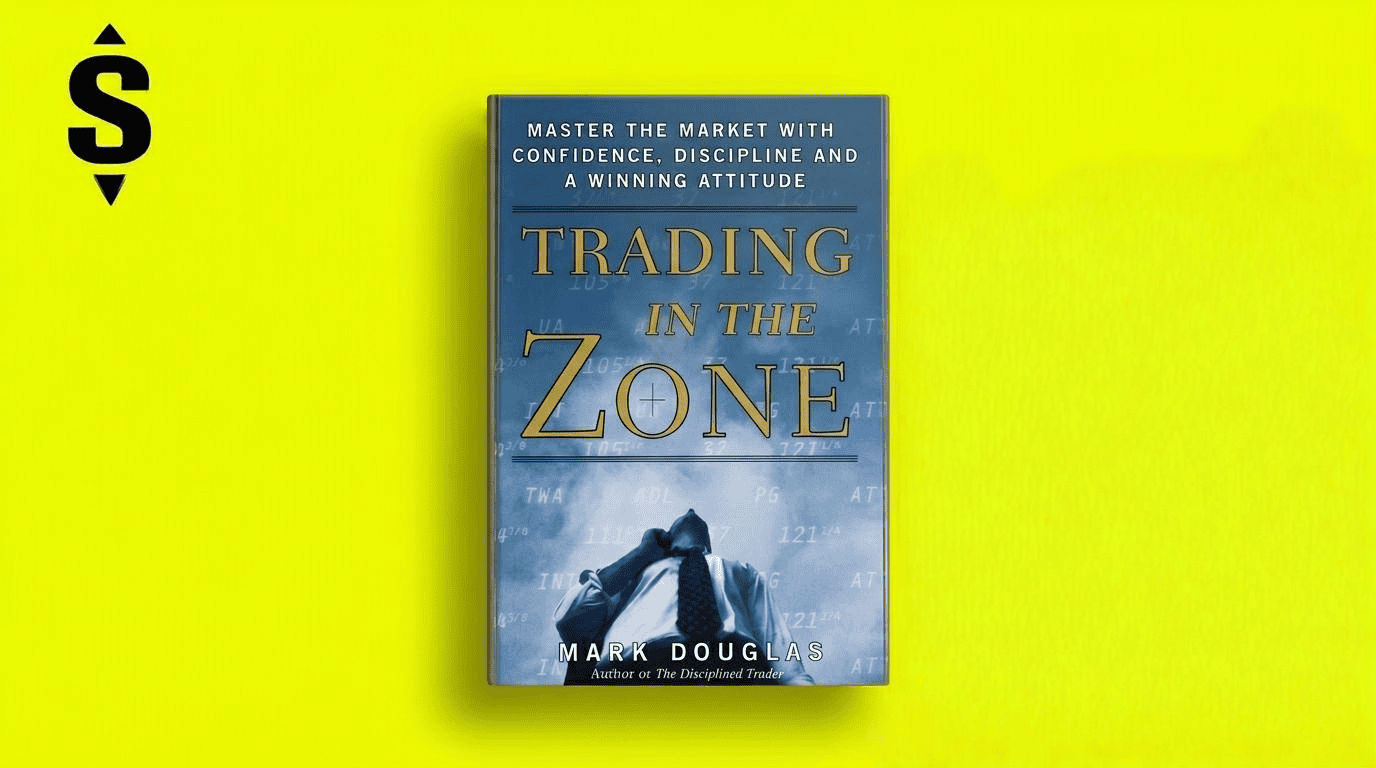
Trading in the Zone is the single most recommended best trading book for beginners across professional trading communities in 2026. Mark Douglas wrote it to solve one specific problem: traders who understand strategy but cannot execute it consistently.
The core argument is that trading failure is almost never about strategy. It is about how a trader thinks. Douglas teaches you to accept the randomness of individual trades while trusting a method over a series of outcomes. He calls this thinking in probabilities, and it changes how you handle every loss and every win.
This is the right first book to learn trading because it addresses the problem that stops most beginners before strategy even matters.
How to Day Trade for a Living by Andrew Aziz
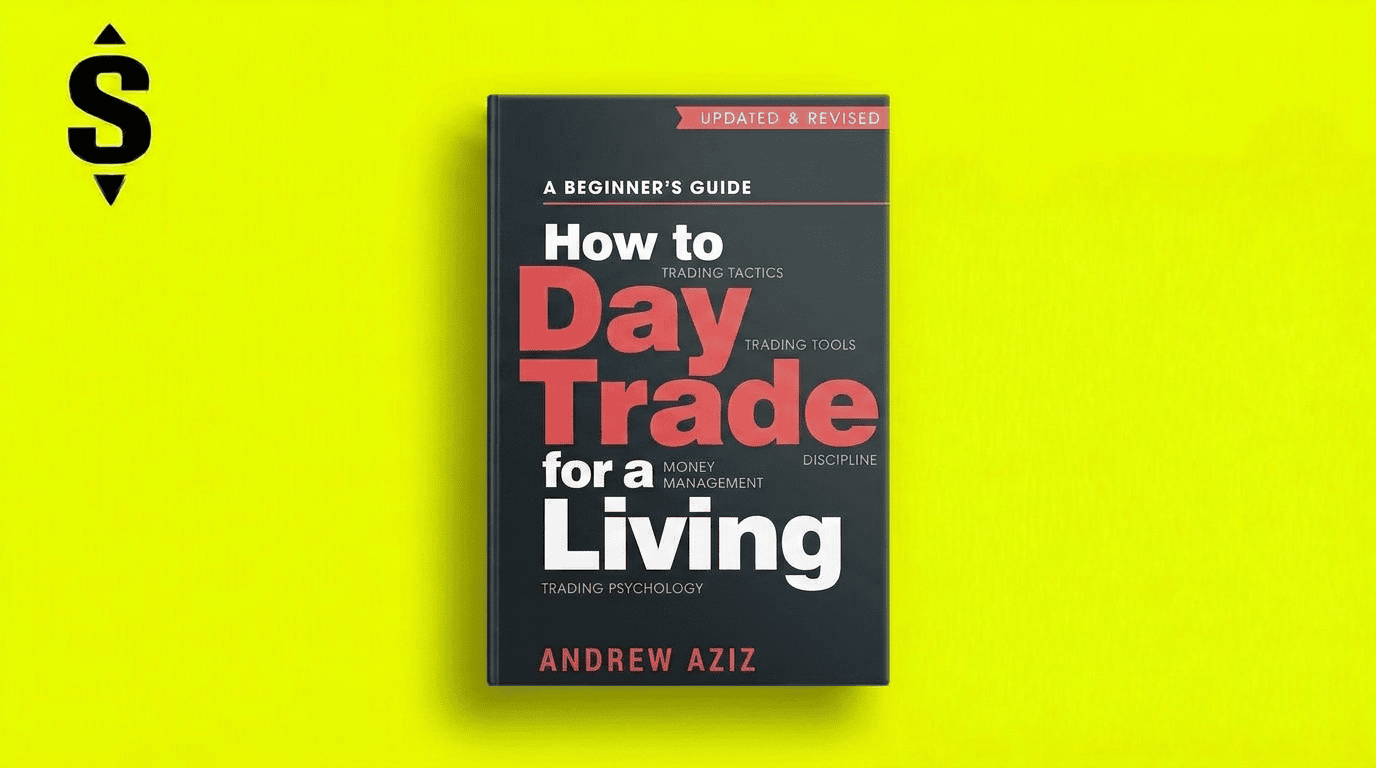
Andrew Aziz published this book for traders with no prior experience, and it shows. The structure is logical, the language is clear, and the examples are grounded in real market situations. It covers the basic mechanics of markets, how to set up a trading station, how to read level 2 data, and how to manage risk on every trade.
What separates this from generic beginner guides is its focus on process. Aziz does not tell you what the market will do. He tells you how to prepare, how to execute, and how to review. That is the correct order of priorities for anyone starting out.
For absolute beginners, this is the most practical entry point after you have read Mark Douglas.
Reminiscences of a Stock Operator by Edwin Lefèvre
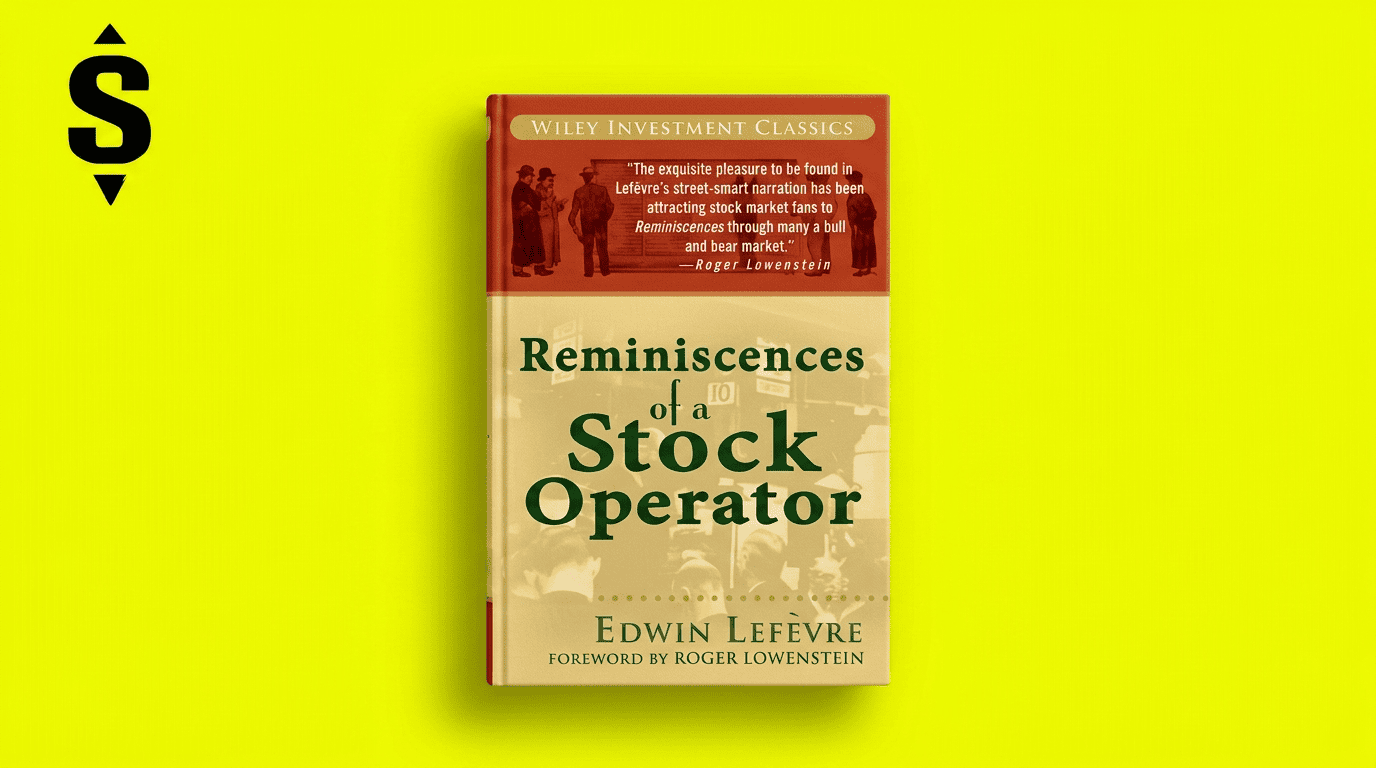
Published in 1923 and still widely read in 2026, Reminiscences of a Stock Operator is a fictional account closely based on the life of Jesse Livermore, one of the most significant speculators in American market history. It is the oldest book on this list and one of the most instructive.
The reason it belongs here is not historical interest. It is that every mistake Livermore made, beginners still make today. Overtrading, ignoring stops, trading on tips, holding losers and cutting winners. Reading this book gives you a long view of trading psychology that no modern text can replicate.
This is the best book about trading for understanding that human behaviour in markets has not changed in a century.
Technical Analysis of the Financial Markets by John J. Murphy
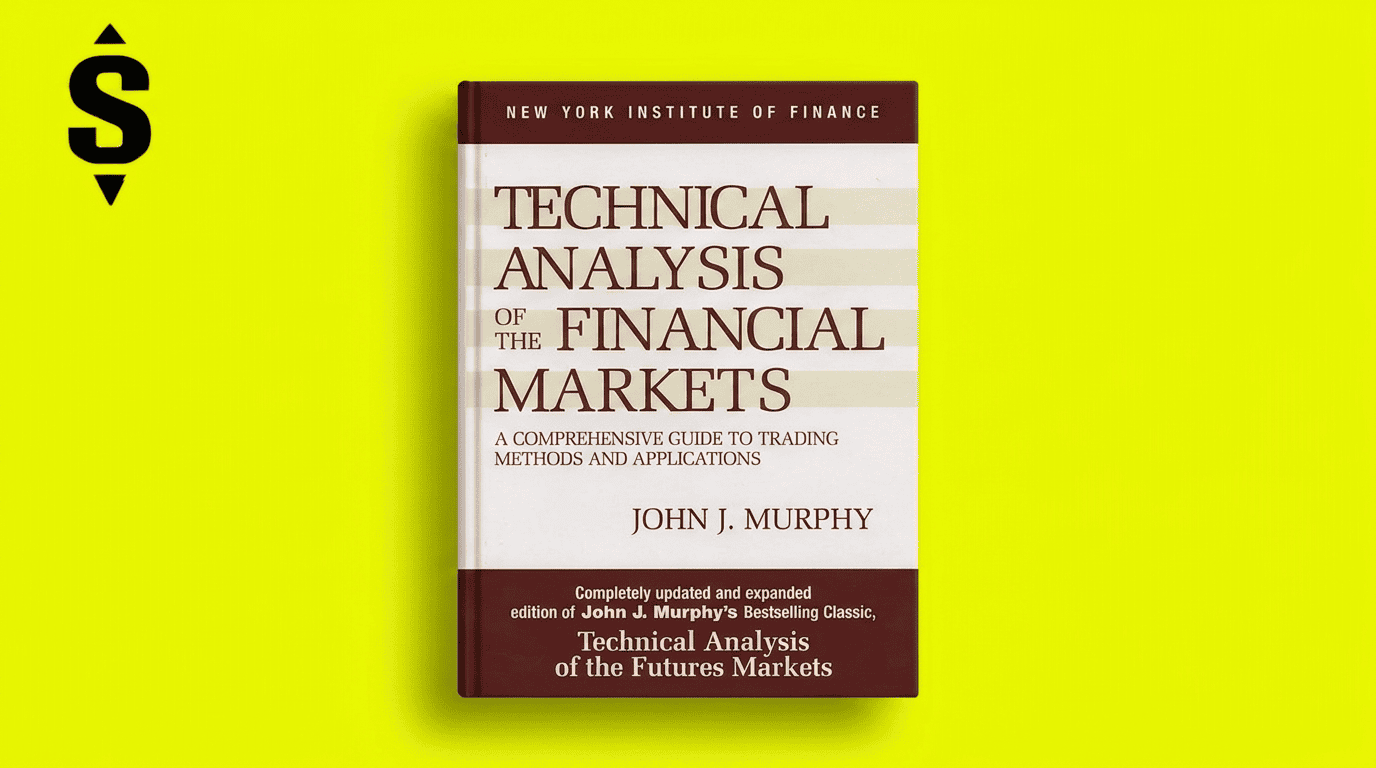
Every serious top trading library needs one reference book on technical analysis. Murphy's text is that book. At 576 pages, it covers chart patterns, trend lines, moving averages, oscillators, volume, cycles, and intermarket relationships. It is comprehensive without being inaccessible.
Beginners should not try to read this from cover to cover. Use it as a reference. When you encounter a concept in the market, find it here and understand it fully. Over time, you will have worked through most of the book without treating it as homework.