En
En Es
Es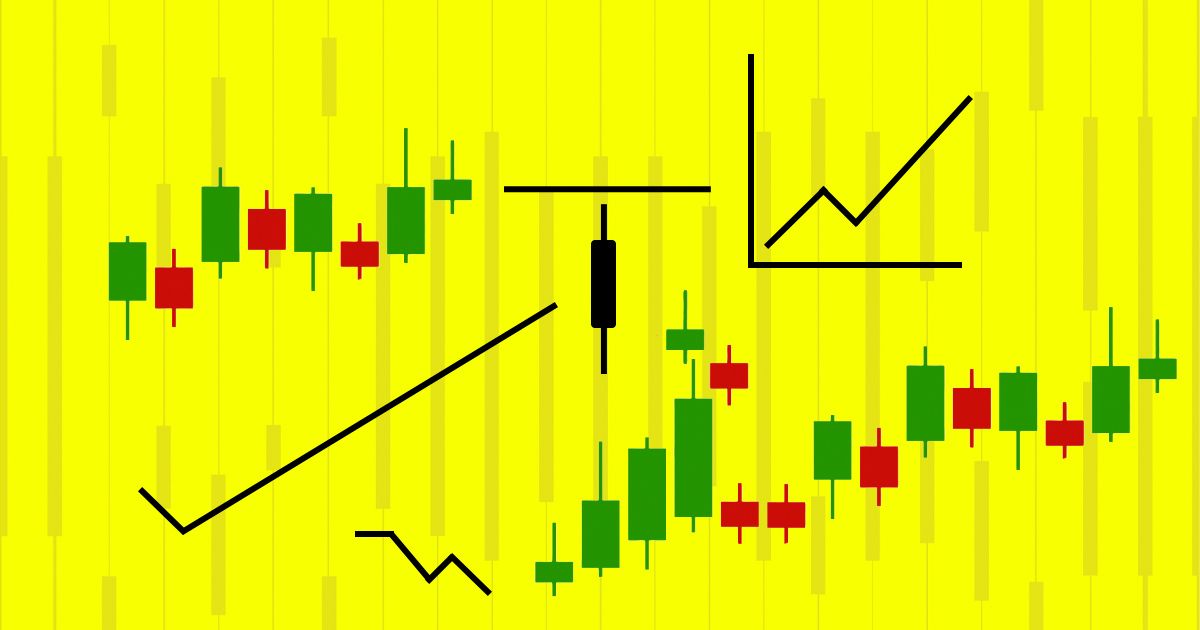

This complete guide is designed for beginner to intermediate traders who are looking to build a solid foundation in price action trading. Here, you will learn what price action trading is, why it matters for trading success, and how to apply its principles across different markets such as forex, stocks, commodities, and cryptocurrencies.
Scope:
This guide covers the fundamentals of price action trading, including its definition, core concepts, and practical strategies. You will discover how to interpret price charts, identify key support and resistance levels, recognize breakout and reversal patterns, and understand market structure. The guide also explains candlestick patterns and chart structures, providing actionable insights for both short-term and long-term trading.
Target Audience:
This article is tailored for beginner to intermediate traders who want to develop a deeper understanding of price action and improve their trading results by focusing on price movements rather than relying on complex indicators.
Why Understanding Price Action Matters:
Mastering price action trading empowers you to make informed trading decisions based on the actual movement of price, rather than lagging indicators or complicated formulas. This approach helps you anticipate market trends, spot reversals, and manage risk more effectively—key skills for trading success.
What is Price Action Trading?
Price action trading is the technique of making every decision based on a pure or 'naked' price chart. It allows traders to analyze price movements without relying on technical indicators, and one of its main advantages is its simplicity, allowing traders to focus on price rather than complex indicators. Price action trading focuses solely on price movements without relying on technical indicators.
At its core, price action trading involves studying how price moves over time and using that information to make trading decisions. The main idea is that all the information you need is already shown in the chart. Every candle, every swing high, and every swing low reflects the psychology of buyers and sellers. Understanding the sequence of highs and lows is essential for identifying trends and potential reversals in price action trading. If you know how to interpret these moves, you can anticipate where the market may go. This approach focuses only on raw data and doesn’t rely on multiple indicators; this is why it is called a “clean way” of trading.
You can work with price action across all the markets, such as forex, stocks, commodities, and even cryptocurrencies. The principle remains the same for short-term and long-term trades. This is one of the main reasons why the majority of traders use price action. Price action trading can be considered a part of technical analysis, but it is highly complex compared to most forms of technical analysis.
Price action is highly adaptable. If you understand how to use price action, you can develop strategies for all types of market moves: breakouts, reversals, and trend conditions. You can also detect key support and resistance levels, which are, in most cases, decision points in the market.
It’s important to note that price action trading requires skill and experience to interpret price movements effectively, which can be challenging for beginners. The interpretation of price action can be subjective, so different traders may reach different conclusions based on the same price movements.
Here, we will have a look at how price action trading works, and check how to use it for your strategy. You will also learn how to understand support and resistance levels and what role they play. When analyzing price action, traders primarily use candlestick charts as a visual tool to display high, low, open, and close prices. The market's price chart reflects all price-moving events, making it the foundation for price action analysis.
Next, let's explore how price action strategies are applied in breakout and reversal trading.
Candlestick Patterns and Price Action Techniques
To understand price action, you need to study patterns such as candlestick formations, chart structures, and momentum shifts. For example, a pin bar candle at a resistance level may signal a potential reversal, while a strong bullish candle that breaks past resistance might indicate the start of a new uptrend. Based on this, you can place trades. Price action analysis is a core methodology for making trading decisions, as it focuses solely on price movements without relying on technical indicators.
Price trading is different from lagging indicators, such as moving averages or oscillators. It gives you direct insight into what is happening now. This is why you can use it regardless of whether you are a short-term or long-term trader. If you are a scalper, you can use it to catch quick moves, and if you are a swing trader, you can rely on it to enter positions in longer market trends, while tools like the MACD trading indicator guide can be used as secondary confirmation.
Versatility is another benefit of this approach. You can use it for different markets, such as forex, stocks, and crypto. Price action is based on human behavior, and this is why it works everywhere. Even if assets are different, the market psychology stays the same. Buyers and sellers follow the same patterns, and you can analyse these patterns and make decisions based on them. Exploring what price action is and top patterns can give you a structured overview of these setups. Price action strategies and price action techniques can be adapted to different markets and trading styles, making them useful for a wide range of traders.
You won’t learn to read price action trading very rapidly. You will need patience, practice, and some time. But once you learn it, you will be able to trade with more confidence and less confusion. This is why we recommend that you take a special course on price action trading if you want to build strong trading skills, and understanding how long it takes to learn trading can help you set realistic expectations and stay consistent. Skill and experience are essential for interpreting price action accurately, and interpreting price action is subjective—different traders may see the same price movements differently.
When analyzing patterns, traders often analyze price action by examining candlestick patterns, chart setups, and specific price action techniques such as the Ross Hook pattern to improve their trading.
Price action trading can also be combined with other methods, such as fundamental analysis or technical indicators, to create a more comprehensive trading strategy, and many traders use the best indicators for TradingView to complement their price-focused approach.
Breakout and Reversal Price Action Trading
Two of the most common strategies within price action trading are breakout trading and reversal trading. To use these approaches, you observe how the market reacts at important price levels and place trades based on that behaviour.
When the price crosses the level of support or resistance, a breakout may occur. For example, if a stock has been stuck under $100 for weeks and suddenly breaks above that level with strong momentum, this is considered a breakout. You can consider it as the start of a new trend. Traders often wait for confirmation that the trend resumes after a breakout or pullback before entering a position. You can enter positions in the direction of the move and expect that the momentum will continue. If you know price action trading, you can spot these breakouts easier.
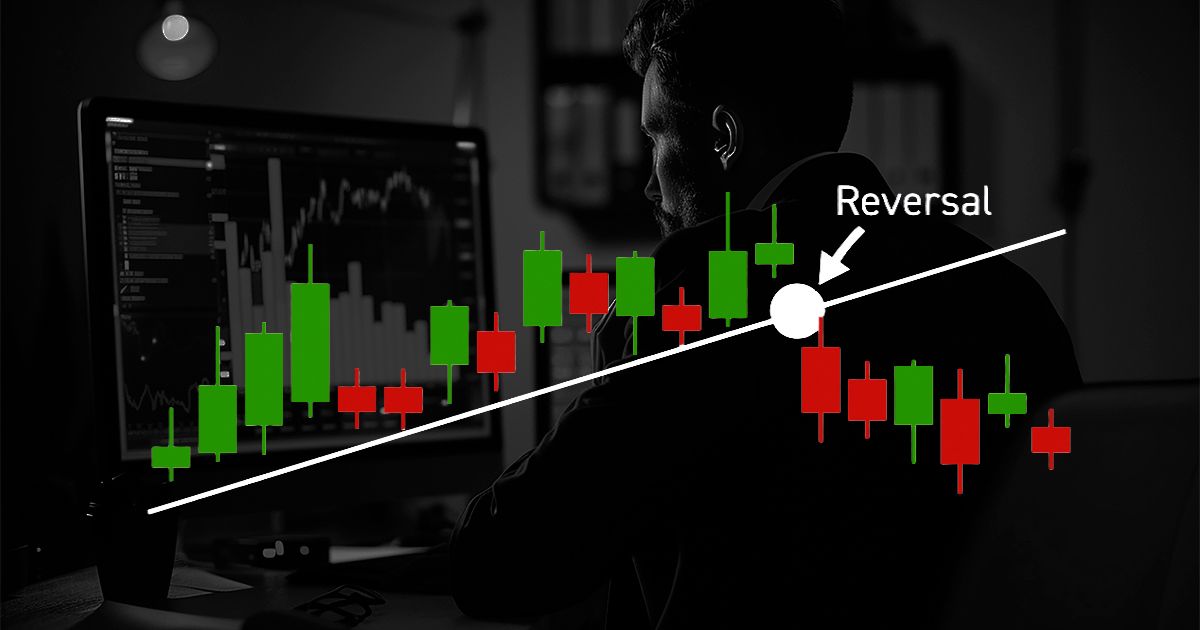
When the market changes its direction, you can expect a reversal. For example, if you see that the price has grown for a while but then it forms a double top or a bearish candlestick pattern, it means that a downward reversal may come. Similarly, if you see that after a strong downtrend, there are bullish signals, it may indicate a reversal upward. In these scenarios, look for signs of exhaustion in one direction and prepare to trade the opposite way. Traders also monitor swing highs and swing lows to identify the direction of the trend and potential reversal points.
Both strategies require discipline. Not every breakout leads to a long trend, and not every reversal holds. That is why you shall wait for confirmation, such as a retest of the breakout level or strong candlestick patterns. Price action traders often wait for confirmation signals, such as an inside bar or price breaks above or below a prior bar, before entering trades to avoid false breakouts or reversals.