
Forex Trading

Jul 29, 2025 - 6 min

Beginner

Updated: Apr 10, 2026

Understanding Base and Quote Currency in Trading

Understanding Base and Quote Currency in Trading

If you are a beginner forex trader searching for information about base and quote currency, this guide is for you.

Justin Freeman
Reviewed by:
Share

In forex trading, every transaction involves two currencies: the base currency and the quote currency. Understanding the difference between base and quote currency is essential for developing effective trading strategies in the forex market. This article will cover what base and quote currencies are, how they work in currency pairs, how exchange rates are determined, and why this knowledge is crucial for making informed trading decisions and achieving trading success.

Scope:
We will define base and quote currencies, explain how currency pairs are quoted, discuss the types of currency pairs (major, minor, exotic), and provide practical tips for using this knowledge in your trading.
Target Audience:
This article is designed for beginner forex traders who want to build a strong foundation in forex basics.
Why It Matters:
Understanding base and quote currency is essential for developing effective trading strategies in the forex market. Knowing how the strength of the base currency compares to the quote currency helps you make informed trading decisions, manage risk, and interpret market movements.

Definition of Base and Quote Currencies

In the foreign exchange market, every trade involves a currency pair made up of two distinct components: the base currency and the quote currency. The base currency is the first currency quoted in a forex pair, while the quote currency is the second currency in the pair. The quote currency is the second currency in a currency pair, and its value is quoted in relation to the base currency. For example, in the popular EUR/USD currency pair, the euro (EUR) is the base currency, while the US dollar (USD) is the quote currency. The exchange rate of a currency pair represents how much of the quote currency is needed to purchase one unit of the base currency. In other words, the quote currency determines how much of it is needed to buy one unit of the base currency.

Understanding this relationship is fundamental in forex trading, as it allows traders to assess the value of one currency relative to another and make informed decisions in the foreign exchange market. Whether you are trading the euro, the dollar, or any other currency, knowing which is the base and which is the quote is essential for interpreting exchange rates and executing trades effectively.

Now that we understand the basic definitions, let's explore how currency pairs are quoted and what this means for traders.

How Are Currency Pair Quotation Determined?

A forex pair is quoted to show the value of the base currency in terms of the quote currency. Currency pairs are generally written by concatenating the ISO currency codes of the base currency and the quote currency. If you understand how it works, you can interpret prices and determine trade direction. Quotes can be expressed in two ways: direct and indirect. In a direct quote, the domestic currency is the quote currency. In an indirect quote, the domestic currency is the base currency. When reading these quotes on a chart, many traders rely on price action trading patterns instead of heavily lagging indicators to interpret market moves.

For example, in the EUR/USD forex pair, the euro is the base currency, and the U.S. dollar is the quote currency. A price of 1.1500 indicates that one euro is equivalent to 1.15 U.S. dollars. The exchange rate of a currency pair represents how much of the quote currency is needed to purchase one unit of the base currency. When the base currency is stronger, it takes a greater amount of the quote currency to buy a single unit of the base currency. In the case of USD/JPY, this pair might be quoted at 110.50, which means that one U.S. dollar equals 110.50 Japanese yen. When trading USD pairs, 'buying dollars' means going long on USD (expecting it to strengthen), while 'selling dollars' means going short on USD (expecting it to weaken). To execute trades correctly, you need to understand clearly which currency you will buy and which currency you will sell.

You also calculate profit and loss based on the base currency and quote currency relationship. The quote currency play is crucial here, as profits and losses are determined by movements in the quote currency relative to the base. If you buy a pair, you purchase the base currency and sell the quote currency. If the base currency strengthens against the quote currency, you make a profit; if it weakens, you have a loss. When a trade is closed, profits or losses are settled in the quote currency. If the exchange rate rises, the base currency is strengthening. If the exchange rate falls, the base currency is weakening, which is especially important to remember when using high-risk approaches like the Martingale strategy in forex.

Quoting conventions vary slightly depending on the market. Major currency pairs, such as EUR/USD, USD/JPY, or GBP/USD, follow standardized formats. Minor and exotic pairs may have larger spreads because of lower liquidity. The spread, which is the difference between the bid and ask price, is expressed in the quote currency and represents the cost of opening a trade. The quote currency is essential for traders as it determines the price at which they can buy or sell a specific currency pair.

The forex market offers many different currency pairs, giving traders a wide variety of options to choose from. Traders often look for currency pairs where the base currency is expected to strengthen against the quote currency or vice versa.

Understanding how currency pairs are quoted sets the stage for exploring the different types of pairs available in the forex market.

Types of Currency Pairs

Major vs Minor vs Exotic Pairs

The forex market offers a wide variety of currency pairs, each with its own characteristics and trading dynamics. These pairs are generally categorized into three main types: major currency pairs, minor (or cross) currency pairs, and exotic currency pairs. Major currency pairs, such as EUR/USD, USD/JPY, and GBP/USD, are the most liquid and widely traded, always including the US dollar alongside another major currency like the euro, Japanese yen, or British pound. Minor currency pairs, also known as cross currency pairs, do not include the US dollar but feature other major currencies, such as EUR/GBP or AUD/NZD. These pairs offer different trading opportunities and can be influenced by regional economic factors. Exotic currency pairs consist of one major currency paired with a currency from an emerging or smaller economy, such as USD/ZAR (US dollar/South African rand) or EUR/TRY (euro/Turkish lira). Exotic pairs typically have lower liquidity and wider spreads, presenting both higher risk and unique opportunities for experienced traders. Understanding the differences between these types of currency pairs helps traders choose the pairs that best fit their trading strategies and risk tolerance.

With a clear understanding of the types of currency pairs, let's look at how precision in quoting can impact your trading results.

Rates Accurate to the Tenth of a Pip

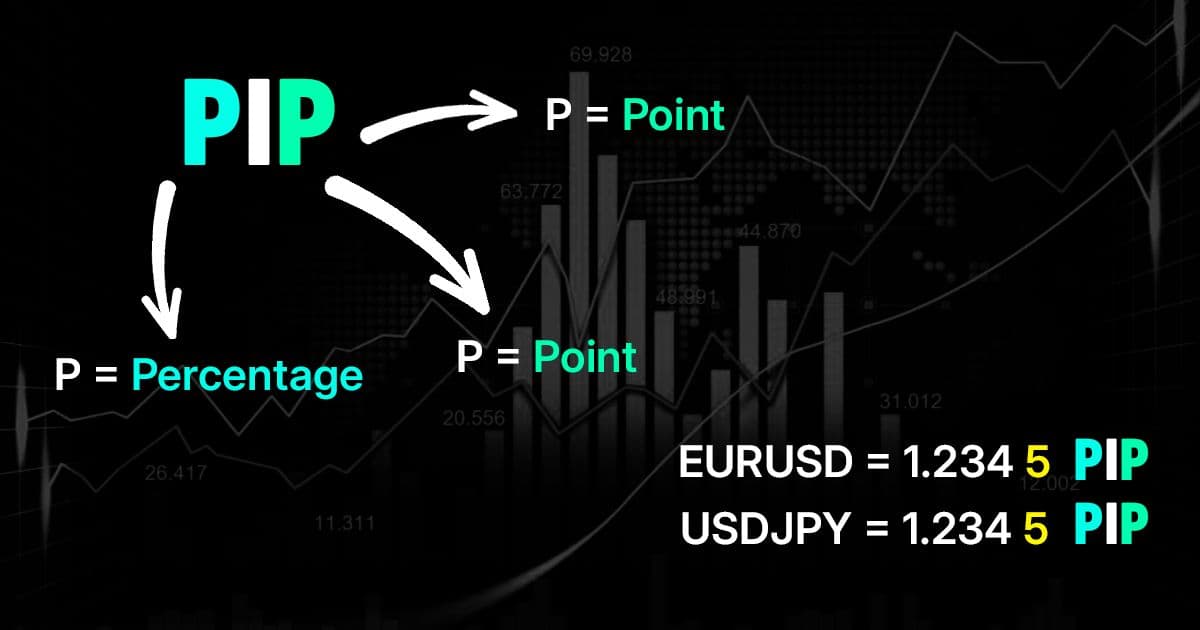
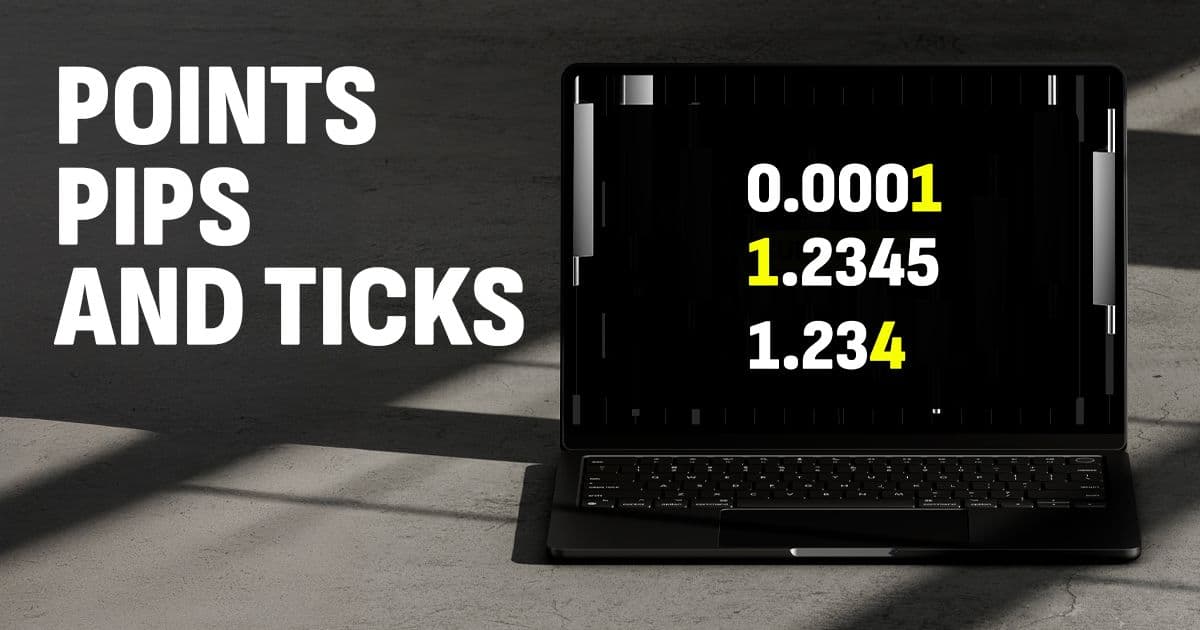
If you want to become profitable on forex, you must be very accurate, because in the market, even the smallest price changes can impact profits and losses. Most currency pairs are quoted to four decimal places, and the smallest change is called a pip. Some brokers quote prices to the tenth of a pip, or fractional pip, to provide even greater accuracy. Charting platforms like TradingView offer many tools, including the best TradingView indicators for traders, to help you visualize these tiny price changes.

For example, if EUR/USD moves from 1.1000 to 1.1001, that one-pip movement is very important for short-term traders. With fractional pips, the price might be quoted as 1.10005, and this allows more precise entries and exits. Here, you shall understand what the base currency and quote currency are, because profits and losses are calculated based on the amount of quote currency that you need to buy or sell the base currency.

If the rates are accurate to the tenth of a pip, you can minimize slippage and refine risk management. If you are a scalper or a high-frequency trader, every fractional pip matters because you make many small gains that accumulate over time. If you know how to analyze base and quote currency at this level, you can execute trades more accurately and earn more.

Become a Confident Trader

Master trading with our structured course designed for beginners and intermediate traders.

Step-by-step lessons
Real strategies
Risk management training

Join 10,000+ traders improving their skills

Start Course Now

These fractional pips can also help you to calculate spreads more accurately. The spread is the difference between the bid and ask prices, and tighter spreads reduce trading costs. If you know how rates are quoted and how precision impacts them, you can evaluate transaction costs and optimize your strategy.

Also, if you understand how to use the accuracy of quoting, you can interpret market volatility better. For example, sudden changes, even at the tenth-of-a-pip level, can indicate shifts in sentiment, news impacts, or liquidity constraints. If you understand it, you can adjust risk management strategies and earn.

Now that you know how precision in quoting affects trading, let's review the basic rules that govern how currencies are mutually quoted.

What Is a Basic Rule That Determines the Mutual Quotation?

Mutual quotation is a method that helps to determine how one currency is valued against the other. The base currency always equals one unit, and the quote currency always shows how much of it is needed to purchase that one unit.

For example, in GBP/USD, the pound is the base currency, and the U.S. dollar is the quote currency. A price of 1.3000 means one British pound costs 1.30 U.S. dollars. If you understand this, you can understand the exchange rate and calculate profits, losses, and size your positions more accurately.

One more basic principle that you shall know is that the base currency serves as a reference point for your trading decisions. If you buy a currency pair, it means that you buy the base currency and sell the quote currency. If you sell a currency pair, it means that you sell the base currency and buy the quote currency. This helps you to understand better how trade execution works and avoid confusion.

Major currency pairs are quoted consistently, but for minor and exotic pairs, you need to have more knowledge because there may be wider spreads or their liquidity may be lower. But even with it, the basic principle is the same: the base currency equals one unit, and the quote currency shows how much that unit is.

You can use this rule to determine the monetary impact of a trade. It also helps you to set stop-loss and take-profit levels, calculate pip values, and manage risks. Understanding how quotes form on the chart also connects with concepts like auction market theory and price movement, where prices reflect the ongoing negotiation between buyers and sellers. All in all, this basic rule forms the foundation of all forex trading and ensures that your trading is consistent, clear, and your calculations are accurate.

With these rules in mind, let's look at some real-world examples of currency pairs and how base and quote currencies work in practice.

Currency Pair Examples

To better understand how base and quote currencies work in practice, let’s look at some of the most commonly traded currency pairs in the forex market:

  • EUR/USD (euro/US dollar)
  • USD/JPY (US dollar/Japanese yen)
  • GBP/USD (British pound/US dollar)
  • USD/CAD (US dollar/Canadian dollar)
  • AUD/USD (Australian dollar/US dollar)

If the exchange rate is 1.1200 for EUR/USD, it means one euro is worth 1.12 US dollars. In the USD/JPY pair, an exchange rate of 145.00 means one US dollar equals 145 Japanese yen. Each of these pairs demonstrates how the value of one currency is expressed in terms of another, and understanding these examples is crucial for making informed trading decisions. By recognizing which currency is the base and which is the quote, traders can better interpret exchange rates and plan their trades in the forex market.

Now that you have seen practical examples, let's discuss how to use this knowledge in your trading decisions.

Base Currency vs Quote Currency: Which One Is the Best?

How to Use Base and Quote Currencies in Trading Decisions

So, which currency is better: the base currency or the quote currency? Which has advantages, and which is better to trade? The answer depends on your trading goals, strategy, and market conditions. Both currencies are important, and each of them plays its specific role.

The base currency represents the unit you want to buy or sell, and its movement relative to the quote currency determines your potential profits or losses. For example, if you buy EUR/USD, the euro is the base currency. If the euro strengthens against the dollar, your trade is profitable. And if the dollar strengthens, your trade results in a loss. You shall focus on the currency that will bring you profit.

You may prefer major base currencies like USD, EUR, or GBP because these are highly liquid and less volatile. This helps you to reduce risk and allow for more predictable trading. Or you may focus on quote currencies in specific strategies, such as hedging, carry trades, or cross-currency analysis.

This is why the question “which currency is the best?” is not correct. It all depends on how you can anticipate market movements and manage risks. Monitor economic data, geopolitical events, and technical patterns, and then you can make your decisions based on facts instead of emotions, following the principles used by consistently profitable traders.

All in all, none of the currencies is better or worse. Success depends on how you understand their interactions, how you can analyze the market and its impact on the currencies, and trade with discipline. Many traders build this knowledge by studying some of the top trading books for 2025 and applying the concepts step by step.

With this understanding, let's move on to practical trading tips for using base and quote currency knowledge in your forex strategy.

Trading Tips

When trading currency pairs in the forex market, it’s vital to grasp the relationship between the base currency and the quote currency to make informed decisions.

How to Use Base and Quote Currencies in Trading Decisions

Forex traders should pay close attention to several factors, such as economic stability, interest rates, and overall market movements, as these can significantly impact the value of both the base and quote currencies. For instance, if you anticipate that the US dollar will strengthen against the euro, you might choose to sell the EUR/USD pair—effectively selling euros and buying US dollars. Conversely, if you expect the euro to gain strength, buying the EUR/USD pair means you are buying euros and selling US dollars. It’s also important to be cautious when trading exotic currency pairs, as they often come with wider spreads and higher volatility, increasing both risk and potential reward. By understanding how base and quote currencies interact and considering these key factors, market participants can develop robust trading strategies, manage risk more effectively, and navigate the complexities of the forex market with greater confidence. Staying informed through resources like the best trading blogs to follow in 2025 can further support this ongoing learning.

Summary: What Are Base and Quote Currencies and Why Are They Important?

Base and quote currencies are the two components of every forex currency pair. The base currency is the first currency quoted in a forex pair, while the quote currency is the second currency in the pair. The quote currency’s value is always expressed in relation to the base currency, and the exchange rate tells you how much of the quote currency is needed to purchase one unit of the base currency. Understanding base and quote currency is essential for developing effective trading strategies in the forex market. This knowledge allows traders to interpret exchange rates, manage risk, and make informed trading decisions. By mastering the concepts of base and quote currency, beginner forex traders can build a solid foundation for success and confidently navigate the complexities of the forex market.

Frequently Asked Questions

Disclaimer: This article is for informational purposes only and does not constitute financial advice. Trading involves risk and may result in loss of capital.

Related Articles

The First Move Is Yours

Discover how Supertrade can transform your trading career. Explore challenges, access instant funding, and join a growing community of Supertraders.

Stay Ahead of the Game

Sign up to receive exclusive tips, market insights, and the latest updates from Supertrade. Don’t miss out on opportunities to grow your trading success.
how it works

Our Community

Do not skip any beat.

The Ultimate Trading Community. Join our Discord server to get the latest updates, news and more.

2026 Supertrade. All rights reserved
DiscordFacebookInstagramTelegramYouTubeXTikTok
Trading involves significant risk. Past performance is not indicative of future results. This is a simulated trading environment. Supertrade provides educational trading services.
Supertrade
Supertrade Ltd, a company incorporated under the laws of Saint Lucia with registered number 2024-00699, located at Ground Floor, Rodney Court Building, Rodney Bay, Gros Islet, Saint Lucia, LC01 101, operates and owns this website, as well as provides services under the Terms and Conditions posted on the website. Supertrade Prop Ltd, a company incorporated under the laws of England and Wales with registered number 16234284, located at 52-56 Standard Road, London, England, NW10 6EU, acting as a payment agent.